Business Name: FootPrints Home Care
Address: 4811 Hardware Dr NE d1, Albuquerque, NM 87109
Phone: (505) 828-3918
FootPrints Home Care
FootPrints Home Care offers in-home senior care including assistance with activities of daily living, meal preparation and light housekeeping, companion care and more. We offer a no-charge in-home assessment to design care for the client to age in place. FootPrints offers senior home care in the greater Albuquerque region as well as the Santa Fe/Los Alamos area.
4811 Hardware Dr NE d1, Albuquerque, NM 87109
Business Hours
Monday thru Sunday: 24 Hours
Facebook: https://www.facebook.com/FootPrintsHomeCare/
Instagram: https://www.instagram.com/footprintshomecare/
LinkedIn: https://www.linkedin.com/company/footprints-home-care
Families hardly ever prepare for the minute when a moms and dad starts to struggle with daily jobs. It normally unfolds in small scenes. A missed dose of medication. A contusion that means a near fall. Milk souring in the fridge because grocery journeys feel like climbing a hill. By the time the household collects around the cooking area table, the questions come quickly: Can we bring help into your house? Would assisted living be safer? How do cost, care needs, and quality of life intersect?
I've sat at that table with lots of households and strolled both roadways myself. There is no single right response, but there is an ideal answer for your scenario. It helps to understand what each choice truly offers, where it falls short, and how to match those realities to a person's worths, health, and budget.
What home care actually appears like day to day
Home care, typically called in-home care or senior home care, brings assistance to the customer's doorstep. A senior caregiver may aid with bathing, dressing, light housekeeping, meal preparation, safe transfers, or medication prompts. Some agencies also supply transportation to appointments, companionship, and dementia-specific care. Hours vary from a couple of two-hour check outs each week to 24-hour protection, depending upon requirements and budget.
People choose elderly home care due to the fact that it maintains regular and identity. Morning coffee in the favorite mug. The neighbor who taps on the window with gossip. The body discovers the layout of its area https://lorenzopwon444.lowescouponn.com/how-home-care-assists-elders-preserve-independence-without-compromising-safety over decades, which minimizes fall threat. For many, home is not simply a location. It's a map of memory and comfort.
But home care has limitations. A caregiver may visit four hours a day, leaving 20 hours discovered. If someone wanders at night or has unpredictable behaviors, those gaps matter. A partner may become the default over night caregiver, which drains energy quick. Without tight coordination, medication changes or brand-new symptoms can slip past the household radar. And your home itself might require modifications, from grab bars and non-slip flooring to a ramp that fits an existing porch.
When home care works best: the person values self-reliance, has moderate care requirements, lives in a fairly safe home, and has a reliable assistance circle close by. It likewise helps when the individual enjoys one-to-one attention and feels more at ease with familiar surroundings.
What assisted living promises, and what it does n'thtmlplcehlder 16end. Assisted living is a licensed house that provides housing, meals, social activities, and personal care services. Personnel is on-site all the time. Locals live in apartment or condos or suites, normally with private restrooms and little kitchenettes. The team manages laundry, housekeeping, meals, and set up assistance with activities of daily living, like bathing and dressing. Lots of communities provide memory care wings with specialized programs for dementia. The biggest advantage is consistency. There is always someone to call. You do not worry about a caretaker calling out sick, since the community covers the schedule. Social isolation shrinks when the dining-room is down the hallway and calendar occasions occur every day. Physical areas are created for safety, with large hallways, elevators, great lighting, and call systems. Assisted living is not a nursing home. It is not created for people who need constant competent nursing, tube feeding, ventilators, or quickly changing medical conditions. Team member are trained for personal care and oversight, not extensive medical treatment. If someone's requirements intensify, they may need to shift to a greater level of care, like a proficient nursing center. Communities likewise set limits. For instance, if a resident starts wandering into other apartment or condos in the evening, the community may require move-in to memory care or a private assistant, which adds cost. When assisted living works best: the person needs everyday aid, benefits from built-in social stimulation, and would be much safer in a secure environment with instant personnel gain access to, yet does not require constant medical supervision. The cash concern, addressed plainly
Costs shape nearly every choice. Both at home senior care and assisted living are generally paid of pocket. Medicare does not pay for long-lasting custodial care, at home or in assisted living. Some assistance may come from long-term care insurance, Veterans advantages, or Medicaid for those who qualify.
Home care service rates depends on place, hours, and abilities. As a ballpark, agency-based per hour rates frequently vary from about 28 to 40 dollars per hour in many markets, greater in metropolitan centers. Twelve hours a week might run 1,500 to 2,000 dollars a month. Round-the-clock care can go beyond 18,000 dollars per month. Live-in plans, where one caregiver sleeps in the home with breaks built in, might reduce the leading line compared to turning 24-hour shifts, though guidelines and useful constraints vary by state and by agency.
Assisted living normally charges a base month-to-month rate for housing, meals, and standard services, then includes tiered fees for care based on an evaluation. In lots of areas, you'll see a variety of 4,000 to 7,500 dollars per month for basic assisted living, with memory care running greater due to staffing intensity. Some neighborhoods use an all-inclusive rate, others cost care ala carte. Ask how often they reassess and how rate modifications are handled, especially after the first year.
There's an easy way to compare. Accumulate the overall month-to-month hours your loved one needs and increase by the local hourly rate for senior care. Consist of transport time, meal prep, and unglamorous however required jobs like laundry and trash. If the sum methods or goes beyond assisted living costs, and the individual needs daily oversight, a neighborhood may use more predictable worth. If requirements are intermittent or light, in-home care is typically more economical.
Quality of life, not simply safety
Metrics tend to alter toward threat and cost, however daily pleasure matters. Some older grownups bloom in assisted living. I have actually enjoyed a retired teacher who refused assistance in your home start running the poetry circle after moving in. She ate much better with business, took her medications on schedule, and strolled more because corridors felt safe. Her daughter said, gratefully and a bit stunned, that she lastly acknowledged her mother again.
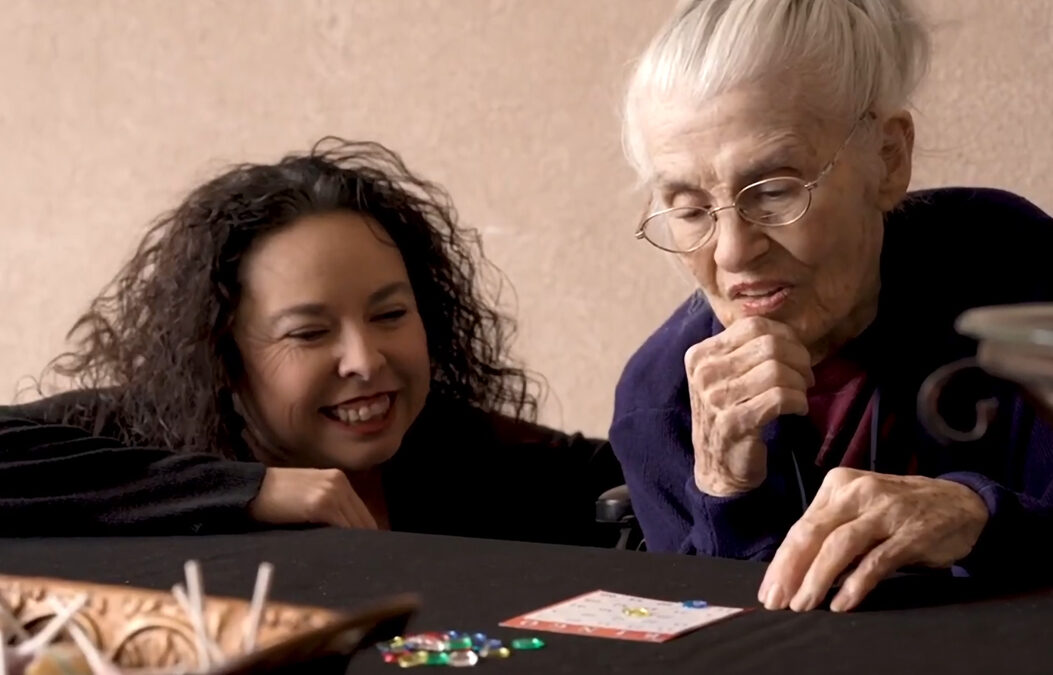
Others shrink in a common setting. One gentleman moved into assisted living after a fall. The schedule and shared spaces used him out. He missed his garden and the way morning sun slanted through his kitchen. He returned home, added six hours of home care a day, and hired a next-door neighbor's teenager to water the tomatoes. His gait improved because he was up and doing.
Meaningful engagement resides in the details. At home, the caretaker can fold care into familiar regimens: fishing shows while doing leg exercises, music from the best years while preparing lunch, a short walk to check the mail box at 3 p.m. sharp. In assisted living, the social calendar can be a lifeline if the person delights in group activities. If they are introverted or have hearing loss that complicates conversation, groups might seem like sound, not connection. Ask to observe a normal day. Eat a meal in the dining-room. Notice whether personnel make eye contact, call locals by name, and react without long delays.
Health intricacy, and how it changes the equation
The complexity of medical requirements is typically the hinge. If the person has stable chronic conditions like controlled diabetes, moderate cognitive problems, or arthritis, both in-home care and assisted living can work well. If they cope with moderate to sophisticated dementia, cardiac arrest with frequent worsenings, recurring infections, pressure ulcer danger, or post-stroke deficits, you should think about keeping track of and escalation more carefully.
Behavioral signs of dementia matter. Wandering, sundowning, recurring exit-seeking, and resistance to care can overwhelm a single caretaker, particularly overnight. Memory care systems in assisted living offer protected doors, higher staff ratios, and programs that appreciates cognitive limitations. Home can still work with the right supports: movement sensing units, door alarms, a simplified environment, and regimens that decrease frustration. But it generally requires more hours of coverage and a caretaker with dementia training.
Medication management is another pivot point. Some people can self-administer with pointers. Others need hands-on help or nurse oversight. Many home care companies supply reminders and help with setup, while home health nurses can visit occasionally after a hospitalization or change in condition. Assisted living usually deals with everyday medication administration as part of the care plan, though there is a separate monthly charge in many neighborhoods. If medications change frequently, having an on-site nurse can minimize errors.
Family dynamics and caretaker bandwidth
Families frequently undervalue the weight of coordination. Even with a reliable home care service, somebody must schedule visits, restock materials, track signs, and make choices when plans collide with unforeseen events. If adult children live nearby and can share responsibilities, in-home care can be sustainable. If the main caregiver is a 78-year-old spouse with knee discomfort, night wanderings or heavy transfers can press them past a safe limit.
Assisted living offloads much of the coordination. Personnel schedule transport for medical check outs, manage meals, and keep an eye on subtle modifications. Still, household participation does not vanish. Residents do best when somebody supporters, goes to care conferences, and goes to routinely. The distinction is that the daily logistics no longer rest on one person's shoulders.
I ask families to imagine a bad week. Influenza strikes. A toilet leakages. The preferred caregiver takes trip. If the strategy can not endure a difficult week, it is not a plan; it is excellent weather.
The home itself: safety and feasibility
A home can be a haven or a risk. Small modifications can have huge effect. Great lighting, particularly in hallways and restrooms. Clear paths broad enough for walkers. Carpets anchored or eliminated. Get bars near the toilet and in the shower. A shower chair with a back. A raised toilet seat. If stairs are inescapable, a durable rail on both sides. Think about a bed room on the primary flooring. Door thresholds that catch shuffling feet can be planed down or replaced.
Some upgrades are expensive. Stair lifts, walk-in showers, ramps that fulfill code, and expanding doors for wheelchair clearance can each run in the thousands. If the person rents, or anticipates to relocate a year, investing greatly might not make sense. Assisted living sidesteps those modifications since areas are already built for accessibility.
Technology can reinforce home care. Movement sensing units that show activity patterns. Tablet dispensers with timed gain access to. Video doorbells so a caretaker can see who is knocking. GPS wearables for those at risk of roaming. None of this replaces human oversight, however it fills spaces in between sees and includes information to assist decisions.
The reality about staffing and continuity
People fall in love with a specific caregiver, and with great factor. Continuity develops trust. A senior caretaker who understands that your father jokes before he refuses a bath can turn a fight into a routine. Agency-based home care attempts to offer consistent staffing, however disease, turnover, and schedule changes occur. If your plan rests on a single person always being readily available, it will fray. Ask agencies about their backup protocols and average caretaker tenure. Ask whether you can talk to caregivers before they start.
Assisted living groups rotate too. You won't have one devoted assistant all the time, every day. Consistency shows up in a different way: in requirements, training, and the culture of the building. See personnel throughout shift change. Do they share notes? Do they welcome residents warmly even when pushed for time? Good neighborhoods set clear expectations around action times and self-respect. Tour at 7 p.m., not just at 10 a.m., to see the evening rhythm.
Decision drivers that matter more than the brochure
Two households can check out the exact same materials and land in opposite locations due to the fact that their priorities differ. I watch on 5 choice motorists that tend to predict satisfaction.
- Risk tolerance and security activates: What events feel inappropriate? A single fall? Medication mistakes? Nighttime roaming? Clarify your red lines. Social requirements and temperament: Does the person crave business or prefer peaceful? Hearing loss, anxiety, and anxiety all shape how social settings feel. Budget limitations and runway: The number of months or years can you sustain the option? What takes place if care needs grow and expenses increase by 20 to 40 percent? Caregiver capability and backup plan: Who is the backup if a caregiver is out or a member of the family gets sick? Can your strategy tolerate a rough patch? Likely trajectory of disease: A progressive condition like Parkinson's or dementia requires more flexibility and frequently more supervision over time.
How to test-drive each alternative without committing too soon
You can find out a lot by piloting the plan. For home care, start with a little schedule and scale up. If mornings are difficult, try three mornings a week for individual care, breakfast, and a brief walk. View how the remainder of the day goes. Include an evening shift if sundowning is a problem. Develop gradually towards the level of assistance you think will be required in 6 months, not only today.
For assisted living, ask about respite stays. Lots of communities use provided houses for short stays ranging from a week to a month. This trial can de-escalate fears and create real information. How did sleep change? Did meals go better in a social dining-room? Were there frustrations with the schedule or noise level? After a respite, some residents gladly move in, while others choose to stay at home with clearer eyes.
Bring a small notebook throughout any trial. Note observations, not just sensations. Times of day that go smoothly. Triggers for agitation. Appetite, weight, and hydration. Little patterns indicate big solutions.
The interaction with health care providers
Primary care doctors, geriatricians, and home health clinicians can use perspective that bridges care settings. Share your strategy with them. Ask specifically what warning signs would trigger a modification in setting. For example, a geriatrician might state that with moderate dementia and diabetes, home care works as long as there are no falls, no weight loss, and blood sugars remain within an agreed variety. If any 2 drift out of variety, it is time to review assisted living or memory care.
Medication simplification is powerful no matter the setting. A program trimmed from twelve daily doses to 6, with fewer midday administrations, reduces danger in the house and prevents missed out on dosages in assisted living. Routine deprescribing reviews pay off.
When to pick home care first
Home care is typically the very best initial step when the person:
- Strongly prefers to age in place and becomes anxious in new environments. Needs assist with a couple of jobs, not constant supervision, and has a safe home setup. Has a nearby assistance network willing to collaborate care. Responds well to one-to-one attention and customized routines. Has a budget plan that covers the needed hours with space for boosts as needs grow.
When assisted living is likely the more secure bet
Assisted living normally serves much better when the person:
- Needs assist several times a day and over night security checks. Eats poorly or isolates in the house however delights in social dining and activities. Has dementia signs that strain a single caretaker, like wandering or exit-seeking. Lives in a home that would need expensive adjustments or is structurally unsafe. Lacks constant family support close-by to coordinate at home senior care.
The psychological layer: honoring identity while accepting change
Decisions stumble when fear or guilt drives them. A kid may hold on to the pledge, "I'll never move you," long after scenarios alter. A spouse may correspond assisted living with abandonment. It assists to shift the frame. The promise can evolve into "I will ensure you are safe, looked after, and enjoyed, and I will remain included." That pledge can be kept at home, in assisted living, or throughout both at different times.
Invite the individual into the choice as much as cognition allows. Even a couple of options bring back self-respect. Which caretaker fits better? Early morning showers or evening? A window view of the maple tree or the yard water fountain? On trips, ask, "What do you like here? What worries you?" Write the responses down. If the individual later forgets, you can remind them that their own words guided the plan.
Rituals matter during transitions. Bring the familiar quilt, the household photos, the battered cookbook with penciled notes. In assisted living, reproduce a shelf from home. In home care, keep preferred snacks in the exact same location and hint familiar music in the afternoon. Continuity softens change.
Building a strategy that adapts
The most effective plans start decently and grow with requirement. Combine elements. An older grownup might utilize home care service 3 early mornings a week, adult day shows two times a week for social time and caregiver respite, and family sees on Sundays. If nights get rough, include a brief overnight shift 2 or 3 nights a week. If even that strains the household, roll into a respite remain at assisted living, then reassess.
Reassess on a schedule. Every 3 months, check fall incidents, weight, medical facility check outs, caregiver strain, and regular monthly spending. Name your limits beforehand. For example, if there are 2 falls in a quarter, or if caretaker sleep dips below five hours a night for more than a week, set off a formal review with the doctor and the home care company or the assisted living team.
Document the plan. Names, contact number, medication lists, and a one-page summary of daily preferences and interaction tips. Share it with everyone included, consisting of the senior caretaker, the adult kids, and the primary care office. When everybody utilizes the very same playbook, little problems stay small.
Practical questions to ask before you decide
At home, interview a minimum of two companies. Ask about criminal background checks, training for dementia, backup protection, manager gos to, and how they manage a poor caretaker match. Clarify all costs, consisting of mileage, vacations, and minimum shift lengths. Request a meet-and-greet with the caregiver before the very first shift. If you like a candidate, request for that individual's typical weekly schedule to ensure continuity.
In assisted living, tour unannounced after your set up visit. Consume a meal. Ask about night staffing ratios, emergency situation reaction times, how they onboard brand-new homeowners, and how they manage escalating requirements. Review the residency arrangement thoroughly. How do they determine care levels? What occasions set off greater fees or a needed transfer to memory care? What is the typical yearly increase? Excellent neighborhoods answer honestly, without pressure.
A note on culture and fit
Two locations can look similar on paper and feel worlds apart. Culture is the sum of small habits duplicated all day. In home care, culture programs in how supervisors coach caregivers and how rapidly they attend to issues. In assisted living, it shows in how staff speak with residents when nobody is viewing, how supervisors welcome house cleaners by name, and whether the activities calendar reflects resident interests instead of generic filler.
Trust your senses. If you leave a tour relaxed and enthusiastic, that matters. If a home care coordinator calls you back promptly and solves a small problem without drama, that matters too. Patterns you see early frequently anticipate your long-lasting experience.
The balanced response most families arrive at
If the person is relatively stable, values their home, and has a workable assistance network, begin with in-home care. Build a practical schedule that secures early mornings and any known trouble areas. Customize your home for safety. Add adult day or neighborhood programs to enrich life and alleviate family strain. Keep assisted surviving on the radar, visit a couple of communities before you need them, and save notes.
If the individual's requirements are broad and day-to-day, if nights are risky, if the home adds risk, or if the household is stretched thin, prioritize assisted living. Usage respite to evaluate the fit. Customize the area. Visit often and stay linked to regimens that make the individual feel known.
Either course can honor the individual's life and values. The choice is not a decision on love or duty. It is a strategy for care, security, and dignity that might alter as needs change. With clear eyes and steady adjustments, families can craft a strategy that works in the messiness of real life, not simply on paper.
And if you're still not sure, bring in a neutral guide. A geriatric care supervisor or social worker can evaluate the home, interview the household, and set out options with costs and compromises particular to your scenario. A two-hour assessment often saves months of trial and error.
The heart of the matter is simple. Match the care to the person you enjoy, not to a pamphlet. Whether that leads you to senior home care, assisted living, or a thoughtful mix of both, you will know you picked with care, not fear.
FootPrints Home Care is a Home Care Agency
FootPrints Home Care provides In-Home Care Services
FootPrints Home Care serves Seniors and Adults Requiring Assistance
FootPrints Home Care offers Companionship Care
FootPrints Home Care offers Personal Care Support
FootPrints Home Care provides In-Home Alzheimer’s and Dementia Care
FootPrints Home Care focuses on Maintaining Client Independence at Home
FootPrints Home Care employs Professional Caregivers
FootPrints Home Care operates in Albuquerque, NM
FootPrints Home Care prioritizes Customized Care Plans for Each Client
FootPrints Home Care provides 24-Hour In-Home Support
FootPrints Home Care assists with Activities of Daily Living (ADLs)
FootPrints Home Care supports Medication Reminders and Monitoring
FootPrints Home Care delivers Respite Care for Family Caregivers
FootPrints Home Care ensures Safety and Comfort Within the Home
FootPrints Home Care coordinates with Family Members and Healthcare Providers
FootPrints Home Care offers Housekeeping and Homemaker Services
FootPrints Home Care specializes in Non-Medical Care for Aging Adults
FootPrints Home Care maintains Flexible Scheduling and Care Plan Options
FootPrints Home Care is guided by Faith-Based Principles of Compassion and Service
FootPrints Home Care has a phone number of (505) 828-3918
FootPrints Home Care has an address of 4811 Hardware Dr NE d1, Albuquerque, NM 87109
FootPrints Home Care has a website https://footprintshomecare.com/
FootPrints Home Care has Google Maps listing https://maps.app.goo.gl/QobiEduAt9WFiA4e6
FootPrints Home Care has Facebook page https://www.facebook.com/FootPrintsHomeCare/
FootPrints Home Care has Instagram https://www.instagram.com/footprintshomecare/
FootPrints Home Care has LinkedIn https://www.linkedin.com/company/footprints-home-care
FootPrints Home Care won Top Work Places 2023-2024
FootPrints Home Care earned Best of Home Care 2025
FootPrints Home Care won Best Places to Work 2019
People Also Ask about FootPrints Home Care
What services does FootPrints Home Care provide?
FootPrints Home Care offers non-medical, in-home support for seniors and adults who wish to remain independent at home. Services include companionship, personal care, mobility assistance, housekeeping, meal preparation, respite care, dementia care, and help with activities of daily living (ADLs). Care plans are personalized to match each client’s needs, preferences, and daily routines.
How does FootPrints Home Care create personalized care plans?
Each care plan begins with a free in-home assessment, where FootPrints Home Care evaluates the client’s physical needs, home environment, routines, and family goals. From there, a customized plan is created covering daily tasks, safety considerations, caregiver scheduling, and long-term wellness needs. Plans are reviewed regularly and adjusted as care needs change.
Are your caregivers trained and background-checked?
Yes. All FootPrints Home Care caregivers undergo extensive background checks, reference verification, and professional screening before being hired. Caregivers are trained in senior support, dementia care techniques, communication, safety practices, and hands-on care. Ongoing training ensures that clients receive safe, compassionate, and professional support.
Can FootPrints Home Care provide care for clients with Alzheimer’s or dementia?
Absolutely. FootPrints Home Care offers specialized Alzheimer’s and dementia care designed to support cognitive changes, reduce anxiety, maintain routines, and create a safe home environment. Caregivers are trained in memory-care best practices, redirection techniques, communication strategies, and behavior support.
What areas does FootPrints Home Care serve?
FootPrints Home Care proudly serves Albuquerque New Mexico and surrounding communities, offering dependable, local in-home care to seniors and adults in need of extra daily support. If you’re unsure whether your home is within the service area, FootPrints Home Care can confirm coverage and help arrange the right care solution.
Where is FootPrints Home Care located?
FootPrints Home Care is conveniently located at 4811 Hardware Dr NE d1, Albuquerque, NM 87109. You can easily find directions on Google Maps or call at (505) 828-3918 24-hoursa day, Monday through Sunday
How can I contact FootPrints Home Care?
You can contact FootPrints Home Care by phone at: (505) 828-3918, visit their website at https://footprintshomecare.com, or connect on social media via Facebook, Instagram & LinkedIn
FootPrints Home Care is proud to be located in the Albuquerque, NM serving customers in all surrounding communities, including those living in Rio Rancho, Albuquerque, Los Lunas, Santa Fe, North Valley, South Valley, Paradise Hill and Los Ranchos de Albuquerque and other communities of Bernalillo County New Mexico.